


Model Rail Scotland and the SEC: A 40 year partnership
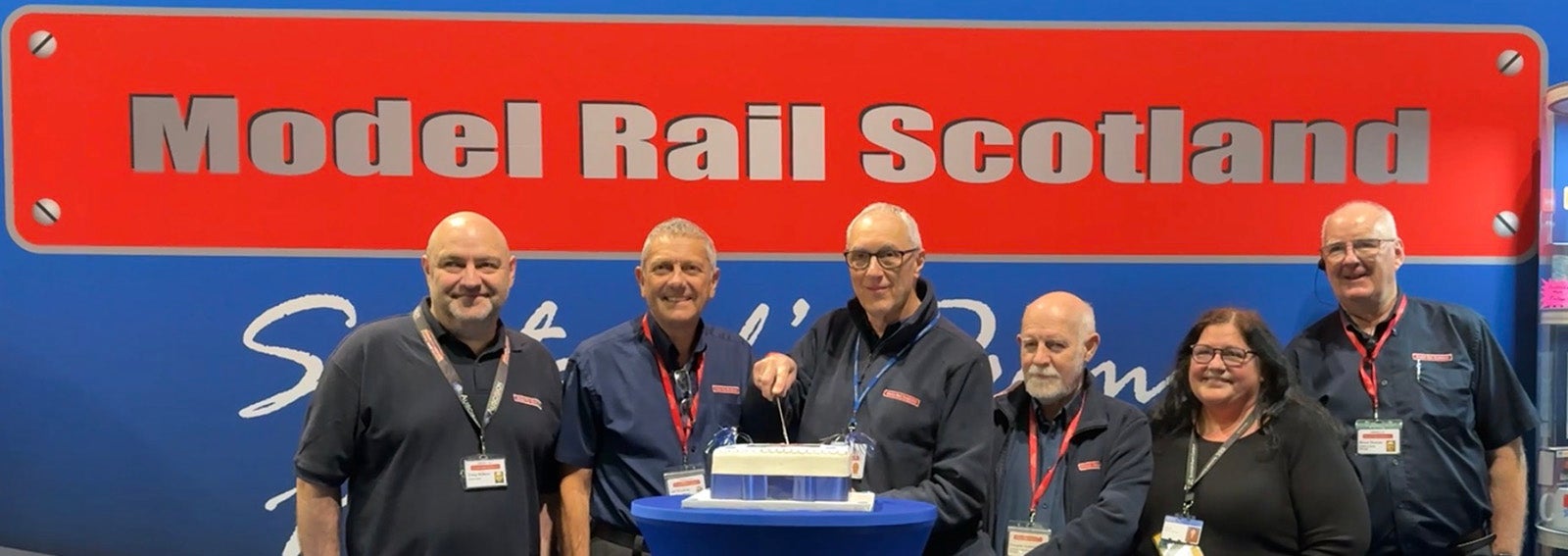
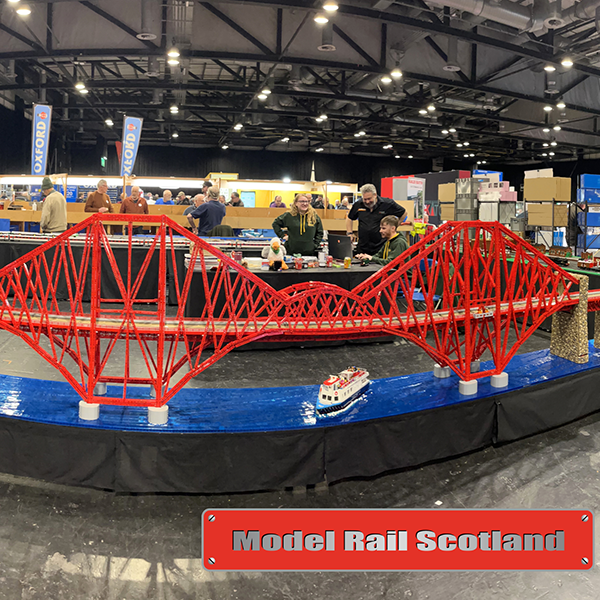
This March, Model Rail Scotland celebrated 60 years since its first exhibition in 1966 – and 40 years as a resident of our venue. To mark the double anniversary, we sat down with Ian Porteous, Exhibition Manager, to talk memories, milestones, and what keeps the "friendly show" on track.
From small beginnings in Glasgow's McLellan Galleries, the event – originally called Model Rail – grew through the 1970s before moving to the SEC in 1987. Now known as Model Rail Scotland, it's widely regarded amongst attendees as the UK's "other National Show". We asked Ian to look back on six decades of layouts, locomotives, and loyal crowds.
Looking back over 60 years, what are your earliest memories of the show?
My first visit was in 1971, at the McLellan Galleries on Sauchiehall Street. I went with my dad – he wasn't a railway modeller, but he built model aircraft and radio-controlled boats. I remember him being very critical when a hand appeared from behind a layout to nudge a stuck locomotive into motion!
Back then, the show stayed open until 8pm on Fridays, so we went late afternoon and then had dinner at a Stakis steakhouse near Glasgow Central. That meal is my strongest memory of that first visit.
The show started in 1966 more out of necessity than design – four Glasgow-based clubs needed a local venue, so the city made sense. As other clubs joined from across Scotland, the Association of Model Railway Societies in Scotland (AMRSS) was formed. By the 1970s, holding a major model railway show in a city centre was normal practice, so Glasgow became the natural, permanent home.
How has the audience changed over the decades?
The profile of visitors has actually changed very little. Model railway shows attract people with either a passive or active interest in railways – and the exhibits are always railway-focused, so it self-selects. That gives you a wonderfully diverse mix of people.
The biggest change? Fashion. In the 1960s and 70s, no self-respecting layout exhibitor would operate without at least a shirt and tie – often a jacket too. And the visitors dressed up as well. You don't see that so much now!
How do you balance tradition with innovation?
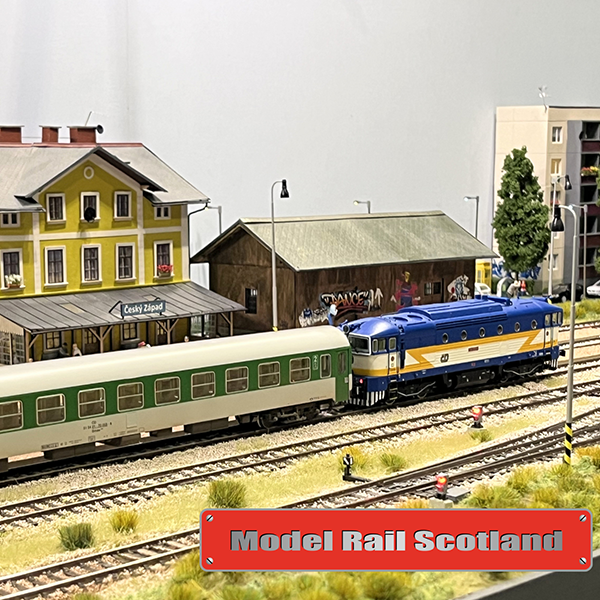
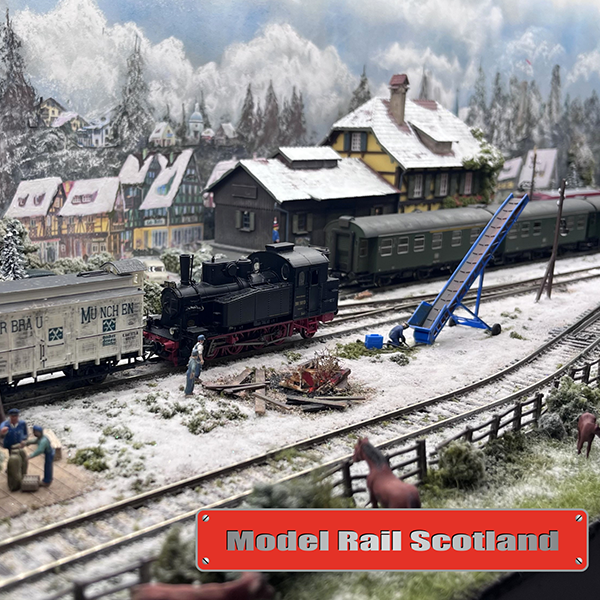
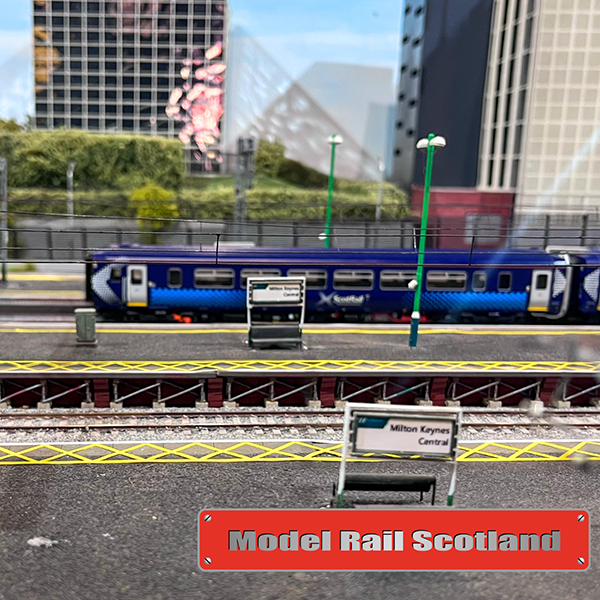
The core element has never changed: the model railway layouts themselves. But they've become far more technically advanced. You can now operate a layout from a mobile phone via Wi-Fi, which would have seemed like magic 30 years ago.
What must remain constant is the quality and variety of those layouts. That's always been our cornerstone. But we've deliberately changed the supporting exhibitors over the last decade. We now have manufacturers from the UK, Europe and Japan, plus top-tier retailers. That's helped turn Model Rail Scotland into one of the leading exhibitions in the UK.
What role has the SEC played over the last 40 years?
A huge one. When Model Rail first came to the SEC in 1987, the event was run by well-intentioned amateurs on a voluntary basis. But from the very beginning, something about our relationship with SEC staff just ‘worked’.
It became an informal partnership where, after each show, SEC staff would point out where we could improve – and we listened. Show by show, we got better at planning and operations. That incremental learning paid off year after year.
Our biggest challenge came after Covid. Planning the 2022 show meant navigating a maze of rules and requirements. The SEC stepped in and worked closely with us to make sure it could go ahead. That gave us the dubious honour of being the last major UK model railway show before lockdown and the first after it. Honestly, without the SEC's help, we might have given up trying to organise a 2022 show at all.
Can you share a turning point that defined the show's long-term success?
The mid-1990s. We realised our purely non-commercial, amateur approach wasn't sustainable. We needed to think more like a business. So we changed the name to Model Rail Scotland – and then, in February 1997, SPT named a Class 320 electric train after the show.
That was the first time a model railway exhibition had ever been honoured like that. To my knowledge, no other show has matched it. The naming ceremony took place at Glasgow Central Station – and as a bonus, it was the first time a Class 320 had ever been seen at Central.
Sadly, the nameplates were removed when the unit was repainted into ScotRail saltire livery. But we immediately adopted the nameplate design as our show logo, and it's been used ever since – on all our advertising and correspondence.
That period gave us a much more focused, professional planning framework. And it helped cement our reputation as what the UK hobby now calls "the friendly show".
Looking ahead: what does the next 10 years hold?
The hobby has always been about a passion for detail. In the 1970s–90s, that meant kit-building or scratch-building. Ready-to-run models were often looked down on. But since the turn of the century, manufacturers have transformed quality and detail.
Now, the essential skills are more about digital control and sound-equipped locomotives. But the real legacy of a show like ours hasn't changed: it's a place for enthusiasts to meet, exchange ideas, and talk directly with manufacturers, traders and fellow modellers.
Ten years from now, the models will probably be even more detailed, controlled in new ways. But I hope Model Rail Scotland will still be that same friendly event – where people who love this hobby can come together in person. That's what's always mattered.
Model Rail Scotland returned to the SEC this past March for a memorable 60th anniversary celebration – and a 40-year milestone in our venue. On behalf of everyone at SEC Glasgow, we want to thank Ian, the AMRSS team, the exhibitors, traders, and every visitor who has walked through the doors over the decades.
Here's to the next chapter. Model Rail Scotland will return next year – just as it always has, just as it always will.
Contact Us
To start engaging a new audience, contact our exhibitions team.